
🏡 Join the Substack↓
Learn more & gain access to information about:
DC Housing & Scholarships,
The Best Communities & Residences,
Curated Listings,
Trusted Contacts, and
Real, Up-to-Date Guidance
FREE & PREMIUM Substack options available
Where Should Interns Live in Washington D.C.?
Choosing where to live during an internship in Washington, DC depends on your budget, workplace location, commute, and preferred lifestyle. Many interns choose to live in Washington, DC, Northern Virginia, or nearby Maryland.
-
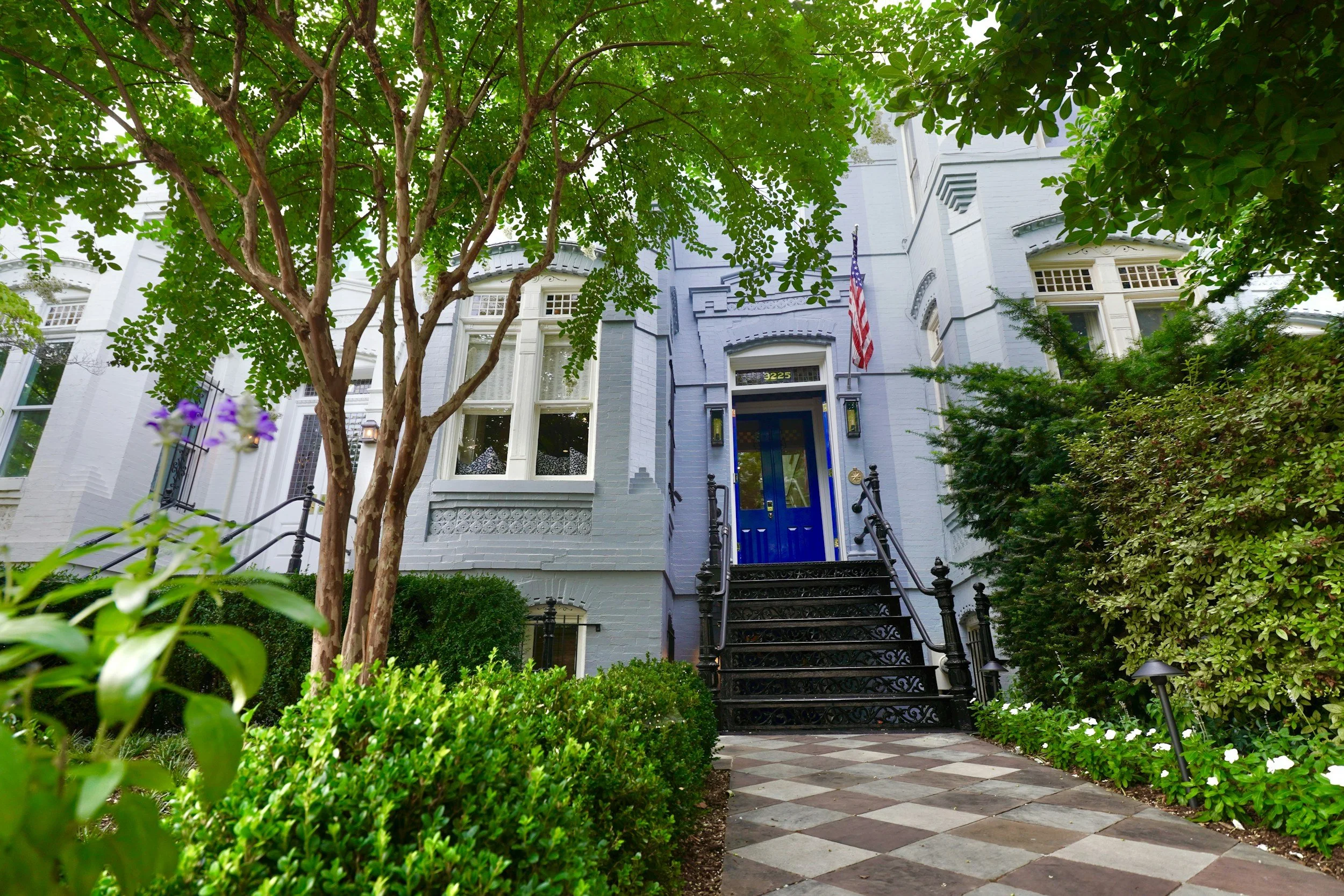
Capitol Hill is a popular choice for interns working on Capitol Hill, in congressional offices, or at nearby government organizations. Living in the neighborhood can make commuting easy and puts interns close to restaurants, coffee shops, Eastern Market, and the Capitol. Housing can be more expensive, so many interns look for shared apartments, sublets, or roommate situations.
-
Arlington is a popular option for interns looking for housing outside of Washington, DC while still having an easy commute into the city. Areas near Metro stations can provide convenient access to Capitol Hill, downtown DC, and other internship locations. Arlington can offer a variety of apartment, roommate, and short-term housing options.
-
Dupont Circle is centrally located and popular with students and young professionals. The neighborhood offers easy access to restaurants, nightlife, grocery stores, and public transportation. Its central location can make it convenient for interns working throughout downtown Washington, although housing costs can be higher than in some surrounding areas.
-
Alexandria can be a great option for interns looking for a quieter environment while remaining connected to Washington, DC. Areas near Metro stations offer relatively convenient commutes into the city. Old Town Alexandria is especially popular for its historic atmosphere, restaurants, and waterfront.
-
Nearby Maryland communities can provide additional housing options for DC interns, particularly those looking for more affordable accommodations or specific short-term rental opportunities. Areas with convenient Metro access can make commuting into Washington easier. Interns should consider commute times carefully when choosing housing farther from their workplace.
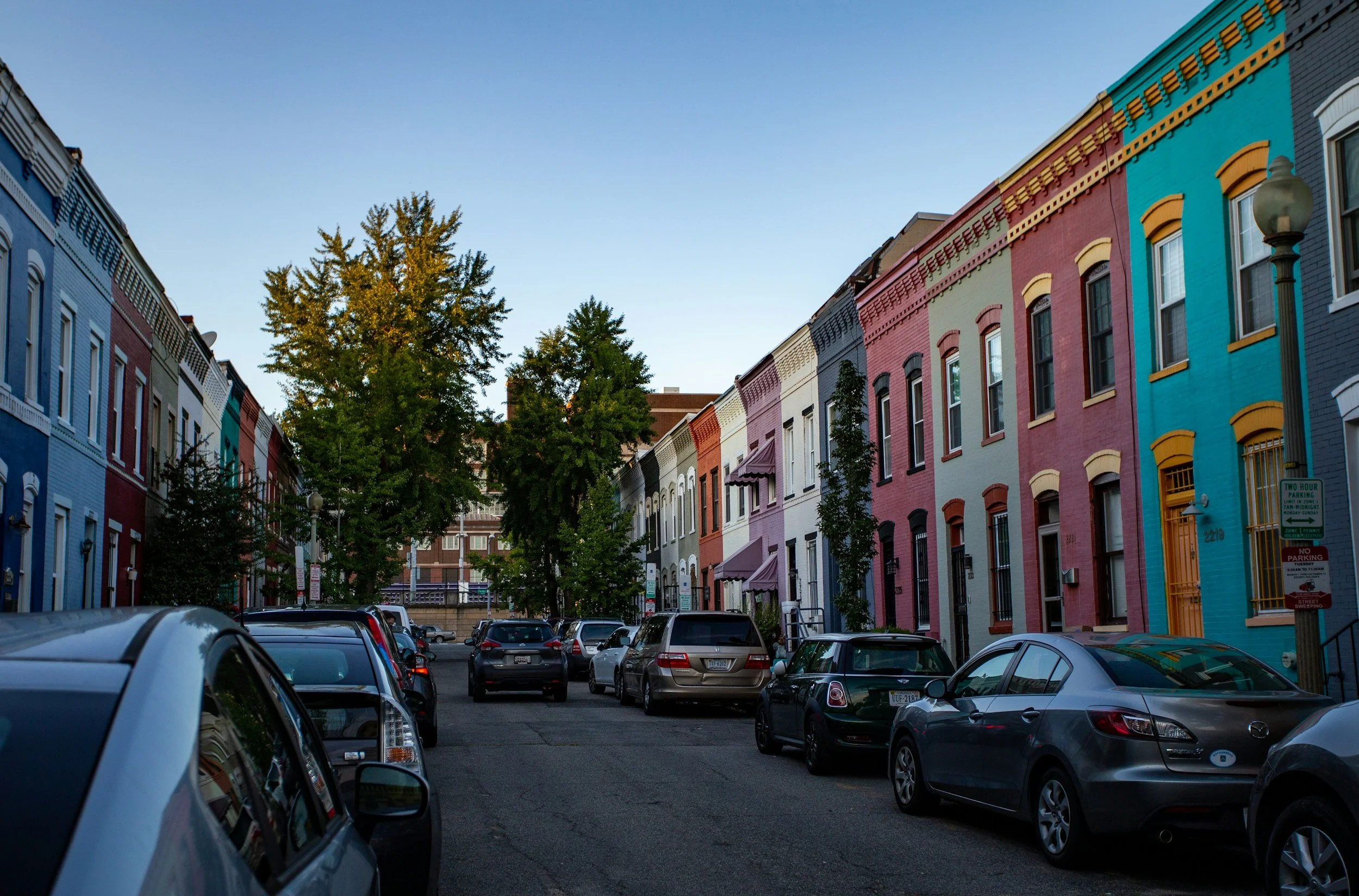
Types of Housing Available for DC Interns and Students
-
Short-term rentals can be a good option for interns staying in Washington for only a few months. These arrangements may offer flexibility for summer or semester-long internships, although availability and pricing can vary significantly.
-
Sublets allow interns to temporarily take over someone else's apartment or room. This can be a useful option for students looking for housing during the summer or for a specific semester. Always review the terms of the arrangement and confirm that the sublet is legitimate before sending money.
-
Furnished housing can be especially convenient for interns moving to DC from another state. These accommodations may include furniture and basic amenities, reducing the need to purchase or transport large items for a temporary stay.
-
Sharing an apartment with roommates is one of the most common ways interns reduce housing costs in Washington, DC. Shared housing can also provide an opportunity to meet other students and young professionals spending time in the city.
-
Some universities, internship programs, and private organizations offer housing specifically designed for students and interns. These options may include furnished rooms, shared living spaces, and communities where interns can meet other students spending the summer or semester in Washington.
How Much Does Intern Housing Cost in Washington D.C.?
The cost of intern housing in Washington, DC can vary significantly depending on the neighborhood, type of accommodation, number of roommates, and length of stay. Students completing a summer internship or semester-long internship should consider not only monthly rent, but also utilities, transportation, groceries, and other living expenses.
Many interns reduce their housing costs by living with roommates, renting a furnished room, finding a sublet, or choosing housing outside of downtown Washington, DC. Areas in Northern Virginia and Maryland may also provide additional options, particularly for interns willing to commute by Metro.
When creating a budget for a Washington, DC internship, it is important to compare the total cost of housing with transportation and commute time. A less expensive apartment farther from the city may not always be the most affordable option once daily transportation costs and commute times are considered.
The best housing option for each intern will depend on their budget, internship location, and whether they are staying in Washington, DC for the summer, fall, spring, or an entire academic year.

Affordability
〰️
Affordability 〰️
Finding affordable intern housing in Washington, DC can be challenging, but students have several options to consider. The most important first step is determining a realistic housing budget and deciding which factors are most important, including location, commute time, privacy, and access to public transportation.
Interns looking for affordable housing may want to consider:
Sharing an apartment with roommates
Renting a room instead of an entire apartment
Looking for furnished housing
Exploring sublets and short-term rentals
Considering neighborhoods outside of downtown DC
Looking in Metro-accessible areas of Northern Virginia and Maryland
Comparing transportation costs before choosing a location
Many students find that living slightly farther from their internship can reduce rent, but it is important to consider how much time and money will be spent commuting each day.
The best affordable housing option is not always the one with the lowest monthly rent. Interns should consider the total cost of living, including utilities, Metro fares, groceries, and other expenses.
How Do Interns Get Around Washington D.C.?
Washington, DC interns have several transportation options, including Metro, buses, walking, biking, and rideshare services. When choosing housing, transportation should be one of the most important factors to consider.

Metro

Walking

Metrobus and Local Buses

Biking and Scooters
Planning Your Move to Washington D.C. as a Student or Intern
Moving to Washington, DC for an internship is an exciting opportunity, but planning ahead can make the transition much easier. In addition to finding housing, interns should consider transportation, budgeting, packing, roommates, and the length of their internship.
Students coming to DC from another state may want to prioritize furnished housing, short-term leases, and convenient access to public transportation. Those planning to stay for a semester or longer may have additional housing options available.
Before moving, interns should confirm their internship location, expected work schedule, housing move-in date, and transportation plan. Preparing these details in advance can help make the transition to Washington, DC smoother and allow interns to focus on making the most of their professional experience.
Common Housing Questions, Answered:
-
Finding housing for a DC internship usually involves searching across multiple platforms like Facebook groups, university housing boards, and short-term rental sites. However, this can be time-consuming and risky due to scams or outdated listings. A more efficient option is using curated resources like DC Internships and Housing, where new housing opportunities, sublets, and intern-friendly listings are compiled weekly in one place.
-
As of 2026, intern housing in Washington, DC typically ranges from $900 to $1,800 per month depending on location, amenities, and whether you have roommates. Prime areas like Capitol Hill and Dupont Circle tend to be more expensive, while Northern Virginia and parts of Maryland can offer more affordable options.
-
In most cases, Northern Virginia (especially Arlington and Alexandria) is slightly more affordable than living directly in DC. However, commute time and access to public transportation should also be considered. Many interns use our Substack to compare both DC and Virginia listings side-by-side before deciding.
-
Memberships are flexible and can be canceled at any time from your account. You’ll retain access through the end of your current billing cycle.
-
You should begin your housing search at least 2–4 months before your internship start date. For summer internships, the peak search period is March through May. Since listings can fill quickly, subscribing to weekly updates from our Substack can help you stay ahead of new opportunities.
-
Yes, short-term housing is very common in DC due to the high number of interns. Many landlords offer sublets or furnished rooms specifically for 8–12 week stays.
-
Yes, DC is generally safe, but like any city, safety depends on the neighborhood. Areas like Capitol Hill, Dupont Circle, and Arlington are commonly recommended for interns. Resources and listings on our Substack often highlight housing in safer, intern-friendly areas.
-
Yes, the majority of interns live with roommates to reduce costs. Shared housing is one of the most affordable and common setups in DC.
-
To avoid scams, never send money without verifying the listing, avoid deals that seem too good to be true, and always request a virtual tour or proof of ownership. Using curated and trusted resources like our Substack significantly reduces the risk.
-
Yes, many intern housing options are fully furnished, especially sublets. This is ideal for short stays. Furnished listings are frequently highlighted on our Substack.
-
Housing near the Capitol is in high demand, especially for congressional interns, but it is available. The key is acting quickly when listings appear—something made easier through alerts from our Substack.
-
Most interns aim for a 20–40 minute commute. Living near a Metro station is highly recommended.
-
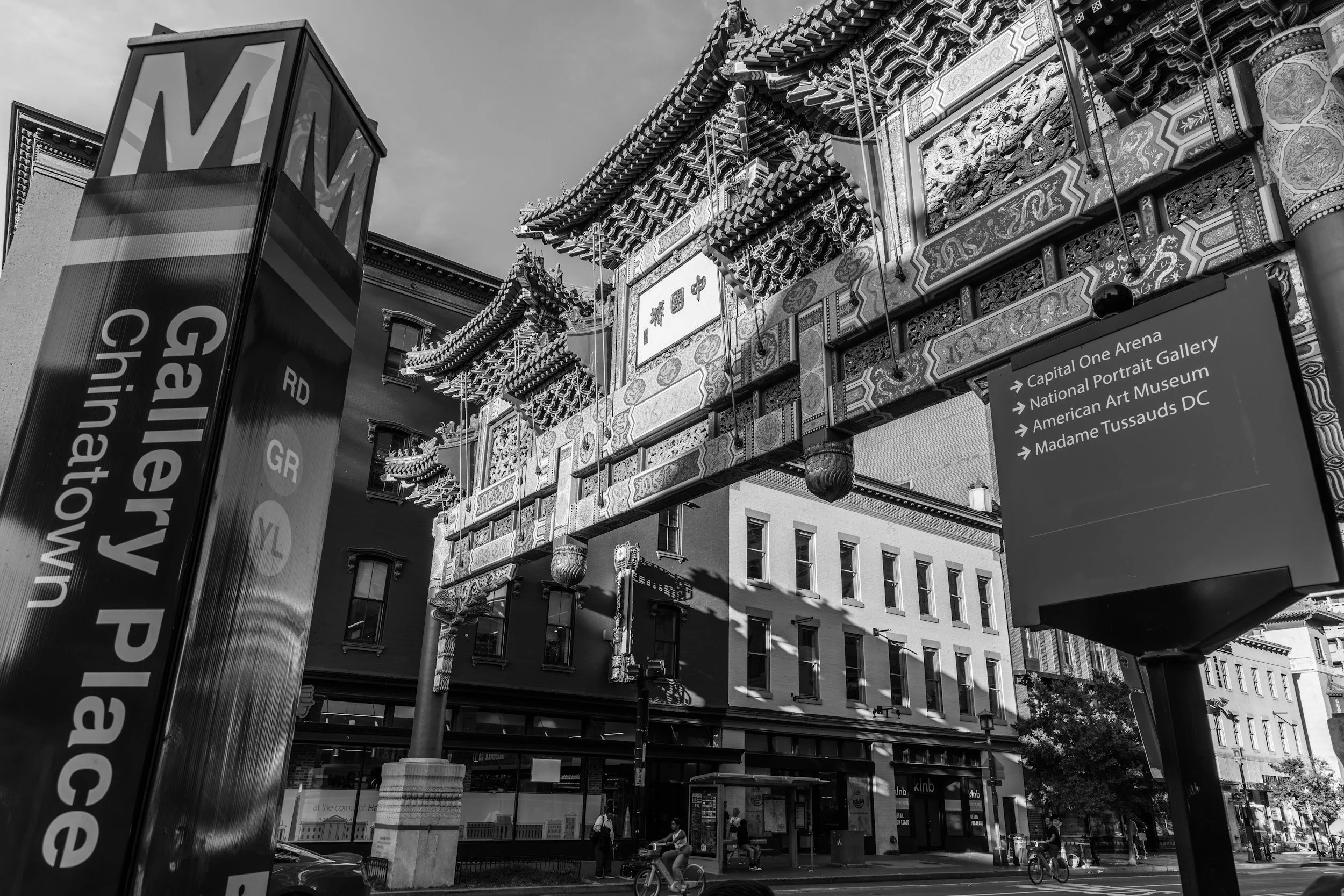
The Metro is DC’s public transportation system. It’s fast, reliable, and affordable. Choosing housing near a Metro line can make commuting much easier.
-
Yes, some listings cater to specific groups and are often shared on our Substack.